
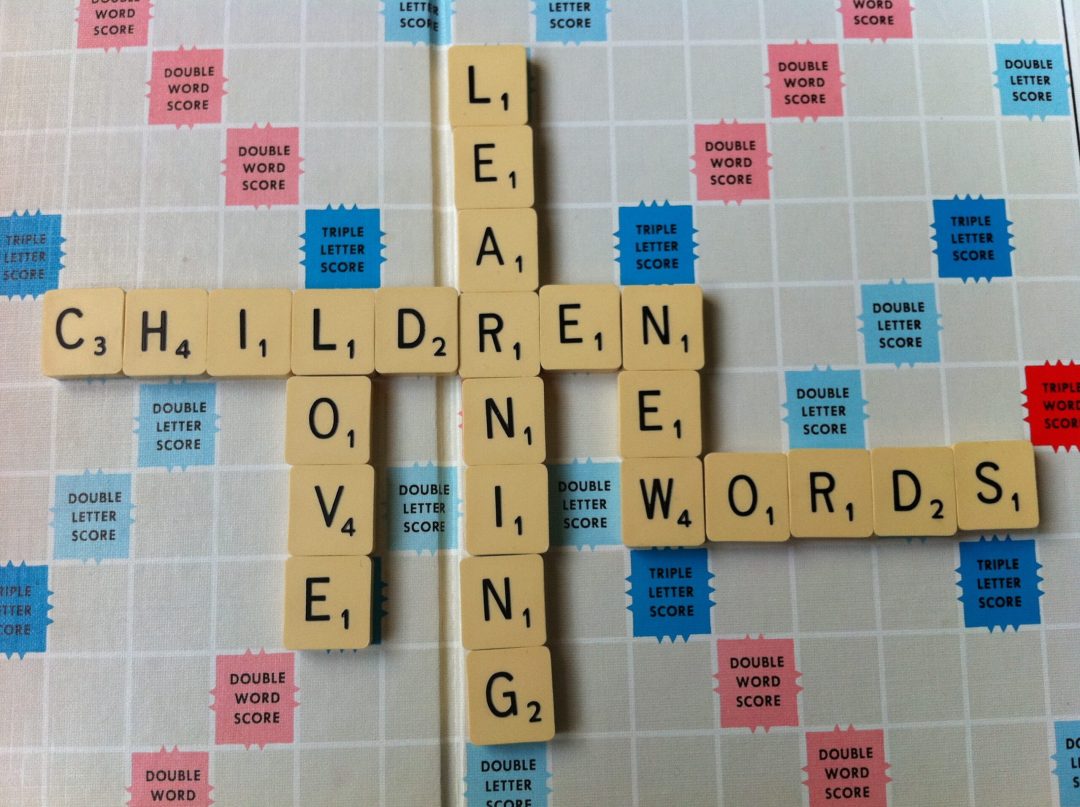
Continuing on the Language Learning series, here are four games that can help your older children expand their vocabulary in their target language!
Bingo
Preparation: You will need to create a vocabulary list, which consists of 25 words. Arrange each word to be written in a 5 x 5 card, so one word per section. There should be 5 words written under each letter in the word “Bingo”. You will also need to rewrite the words on individual pieces of paper to place in a box or hat. For intermediate learners, the words written on the scorecard can be written in the target language, and the words in the box can be written in English. For example, the caller will call out “corn”, and children will have to look for “le maïs” on their scorecard.
How to play: Bingo is a game played on a scorecard with 25 squares in total (5 x5) with the letters “BINGO” written on the top. The caller lists or “calls” out the words that they pick out from a box, all players with that word on their individual Bingo boards will cover that word or cross it off on the card. The goal of the game is to cover 5 of those squares in the vertical, horizontal or diagonal row and the first player to do so wins the game!
The Matching Game
How to play:To play this game, create a list of vocabulary words in the language that you are learning and write those words on sticky notes or flashcards. One sticky note should only have one word written on it. Vocabulary lists can follow themes such as fruits, clothes, places etc. Once you’ve written the words down, write the translation of those words on another set of cards/sticky notes. The objective of the game is to be able to match the words in a foreign language with its English translation. The person with the most correct matched words wins the game.
Guess That Language
This game can be played individually, in pairs or in groups
How to play:
If playing alone
You can write a vocabulary list down, and try to guess the translation. Or you can write words down on one side of a flashcard and the meaning on the other, and try to guess the translation written on the other side.
If playing in pairs
Set a time limit and get one person to read out a word. The other player has to guess the translation. The player who gets through the most flashcards within the time limit wins.
If playing in a group
Split the group into equal teams. Have one person read out the words. The team that raises their hand first, gets a chance to answer. If they answer correctly, they get one point. If they answer incorrectly, they lose a point and the other team can answer. The team that has the most points, wins.
Taboo
How to play: To play this game, start off by writing words on flashcards. Players will each have a turn to pick a card and describe what is written on the card without actually saying the word. Meanwhile, their teammates have to guess the word that is being described. To make this trickier, a list of words that they cannot use in their explanations can be written down, forcing them to think outside of the box.
For more educational posts visit our Educational Posts Page
To keep up with new blog posts you can follow us on Facebook or Instagram
Or, sign up for our newsletter below for school updates.


